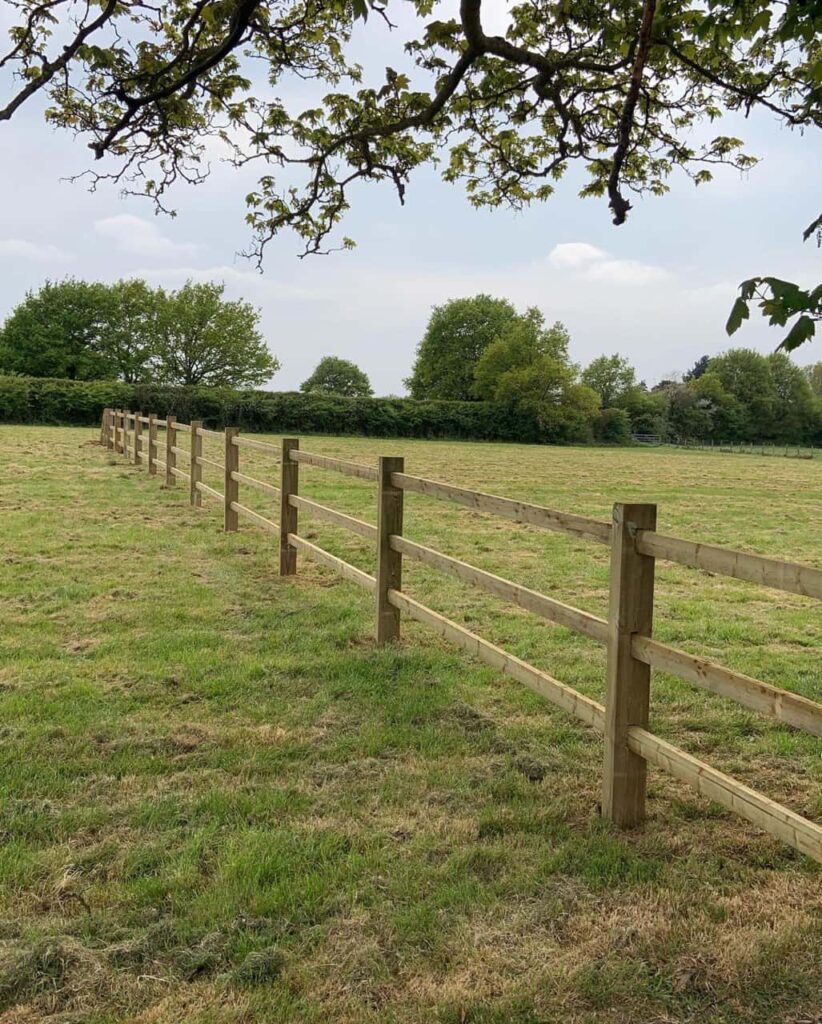
Can Fence Repairs Correct Damage Caused by Overgrown Vegetation?
Hedges, shrubs, climbing plants and other vegetation can make a garden feel established and private, but uncontrolled growth can gradually place considerable pressure on nearby fencing. What begins as a few branches resting against a fence panel can eventually contribute to leaning posts, displaced boards and weakened sections.
For property owners in Ashford, Kent, vegetation-related fence damage does not automatically mean the entire fence needs replacing. Where deterioration remains localised and the surrounding structure is sound, professional fence repairs can often restore stability and appearance. The important first step is determining exactly what has been damaged and whether the underlying fence structure remains serviceable.
How Does Overgrown Vegetation Damage Fencing?
Plants may appear relatively lightweight when first established, but mature vegetation can become surprisingly heavy.
Dense growth can press continuously against fence panels and posts. Branches may push between boards, climbing plants can spread across large sections, and hedges can gradually expand beyond the space originally available.
Problems can include:
- Fence panels being pushed out of alignment
- Posts beginning to lean
- Boards becoming cracked or displaced
- Fixings loosening
- Rails being placed under additional strain
- Moisture remaining trapped against timber
- Sections becoming increasingly unstable
The damage often develops gradually, making it easy to overlook until the fence visibly changes position.
Leaning Fencing Is a Common Warning Sign
If a previously straight fence has started leaning towards or away from dense vegetation, the additional pressure should be investigated.
A leaning fence does not necessarily mean every component has failed. Sometimes one or two posts have weakened while adjoining sections remain in usable condition.
Professional assessment can establish whether the affected posts can be addressed individually or whether the pressure has caused wider structural deterioration.
Can Damaged Fence Panels Be Repaired?
In many situations, yes.
If vegetation has damaged only part of a panel, it may be possible to repair or replace the affected components while retaining sound surrounding fencing.
The suitability of repair depends on the condition of the materials. A panel that has been slightly displaced is very different from one where the timber has become extensively split, distorted or deteriorated.
The objective should be to retain serviceable materials where practical while ensuring the repaired section remains secure.
Fence Posts Need Particular Attention
Fence posts form the structural foundation of most fencing systems.
If overgrown vegetation has pushed repeatedly against a fence, the posts may have absorbed much of the force. Even if the panels appear to be the most obvious problem, the condition and alignment of the posts should therefore be checked.
Signs of post-related problems can include:
- Noticeable leaning
- Movement when the fence is under pressure
- Panels no longer sitting correctly
- Gaps developing between sections
- Deterioration around the base of timber posts
Repairing panels without addressing weakened posts may leave the fence unstable.
Branches Can Cause Concentrated Damage
Trees and larger shrubs can create a different type of problem from general overgrowth.
As branches increase in size, they can press against individual sections of fencing. Wind movement may then cause repeated contact, placing additional strain on panels, boards or posts.
A single branch can sometimes cause surprisingly localised but significant damage.
Once the vegetation has been appropriately managed, the affected fencing can be assessed to determine which components require repair or replacement.
Climbing Plants Can Conceal Fence Problems
Climbing vegetation can make fence condition particularly difficult to assess.
Dense growth may cover cracked boards, weakened panels or leaning posts. In some cases, the vegetation itself can appear to be holding a deteriorated section together.
This means problems may only become obvious once the growth is reduced or removed.
Before assuming that a heavily covered fence is sound, it is worth checking the structure beneath the vegetation.
Trapped Moisture Can Affect Timber Fencing
Dense vegetation can restrict airflow around timber fencing and keep surfaces damp for longer following rainfall.
Where leaves and stems remain in constant contact with timber, moisture may take longer to evaporate. Over an extended period, this can contribute to deterioration, particularly where the fencing is already ageing.
Professional fence repairs should therefore consider not only physical pressure from vegetation but also the condition of the timber itself.
What If the Vegetation Has Damaged Several Sections?
Where overgrowth has affected a long stretch of fencing, repairing one obvious panel may not provide a complete solution.
The whole affected run should be inspected for changes in alignment, post stability and material condition.
This does not necessarily mean complete replacement is required. Different sections may need different levels of attention.
For example, the work might involve:
- Replacing individual damaged boards
- Repairing or replacing panels
- Addressing weakened posts
- Securing loose rails
- Correcting alignment
- Replacing sections that are no longer serviceable
A targeted approach can preserve sound fencing while correcting areas that have genuinely deteriorated.
Removing the Pressure Is Important Before Repairing the Fence
A fence repair is unlikely to remain effective if the original source of pressure continues pushing against it.
Before or alongside repair work, vegetation should be managed so that sufficient clearance is restored around the fence.
Without this step, new panels or repaired sections could quickly experience the same strain.
Creating suitable separation also makes future fence inspections and maintenance easier.
When Is Localised Fence Repair Appropriate?
Repair is particularly useful when vegetation damage is confined to specific areas.
For example, one weakened post or a small number of damaged boards may be addressed without disturbing a long run of otherwise sound fencing.
Local repair may be appropriate where:
- Most posts remain stable
- Damage affects only individual panels
- Rails remain serviceable
- Timber deterioration is limited
- The fence remains correctly aligned elsewhere
Professional inspection helps distinguish between a local defect and wider structural deterioration.
When Might a Section Need Replacing?
There are situations where vegetation has caused too much deterioration for a small repair to provide a dependable result.
If several connected components have weakened, replacing the affected section may be more appropriate than attempting to repair each part separately.
This can occur where posts have become unstable, panels are extensively damaged or timber has deteriorated considerably.
Importantly, replacing one section does not automatically mean replacing the entire boundary. Sound areas can often remain in place.
Why the Cause Matters as Much as the Damage
Successful fence repair involves more than identifying what has broken.
Understanding why it happened helps reduce the likelihood of the same problem returning.
If vegetation pressure caused a post to lean, replacing the post without creating clearance may simply expose the new component to the same forces. Similarly, replacing damp, deteriorated boards while dense vegetation remains pressed against them may not address the conditions contributing to the problem.
Good repair work therefore considers both the defect and its cause.
Early Repairs Can Prevent Damage From Spreading
A slightly leaning panel or loose board can place additional strain on adjoining sections.
Once one part of a fence moves out of position, wind and continuing vegetation pressure may cause neighbouring components to carry loads they were not intended to handle.
Addressing localised damage early can help protect the rest of the fence.
This is particularly worthwhile when the majority of the existing structure remains in good condition.
Preventing Future Vegetation-Related Fence Damage
Once repairs have been completed, maintaining suitable clearance can help protect the fencing in the future.
Useful steps include:
- Keeping hedges from pressing directly against panels
- Cutting back vigorous shrubs
- Managing climbing plants
- Preventing branches from resting on fencing
- Checking concealed sections periodically
- Watching for early signs of leaning or movement
Regular attention to both the fencing and surrounding vegetation can prevent gradual pressure from becoming a larger problem.
Professional Fence Repairs in Ashford
At Fast Fix Fencing Ashford, we provide professional fencing services throughout Ashford, Kent. Where vegetation has caused damage, the fence can be assessed to establish which components remain serviceable and which require attention.
Rather than assuming that an affected fence needs complete replacement, the condition of the posts, panels, rails and individual boards should be considered carefully. Where localised repairs are suitable, they can restore stability while retaining sound existing materials.
Where deterioration is more extensive, affected sections can be addressed appropriately to create a secure and consistent result.
Conclusion
Overgrown vegetation can damage fencing through constant pressure, branch movement, trapped moisture and gradual displacement of panels and posts. Fortunately, this type of damage does not always mean an entire fence needs to be replaced.
Where the problem is localised, professional repairs may involve correcting alignment, replacing damaged boards or panels, securing rails or addressing weakened posts. The vegetation responsible for the damage should also be managed so that repaired sections are not immediately exposed to the same pressure again.
For property owners in Ashford, Kent, Fast Fix Fencing Ashford can assess vegetation-related fence damage and determine the appropriate repair approach. If your fencing has started leaning, moving or deteriorating alongside overgrown plants, arranging professional attention early can help restore the affected areas before the damage spreads further along the fence.
Call us on: 01233 542 270
Click here to find out more about Fast Fix Fencing Ashford
Click here to complete our contact form and see how we can help with your fencing needs.