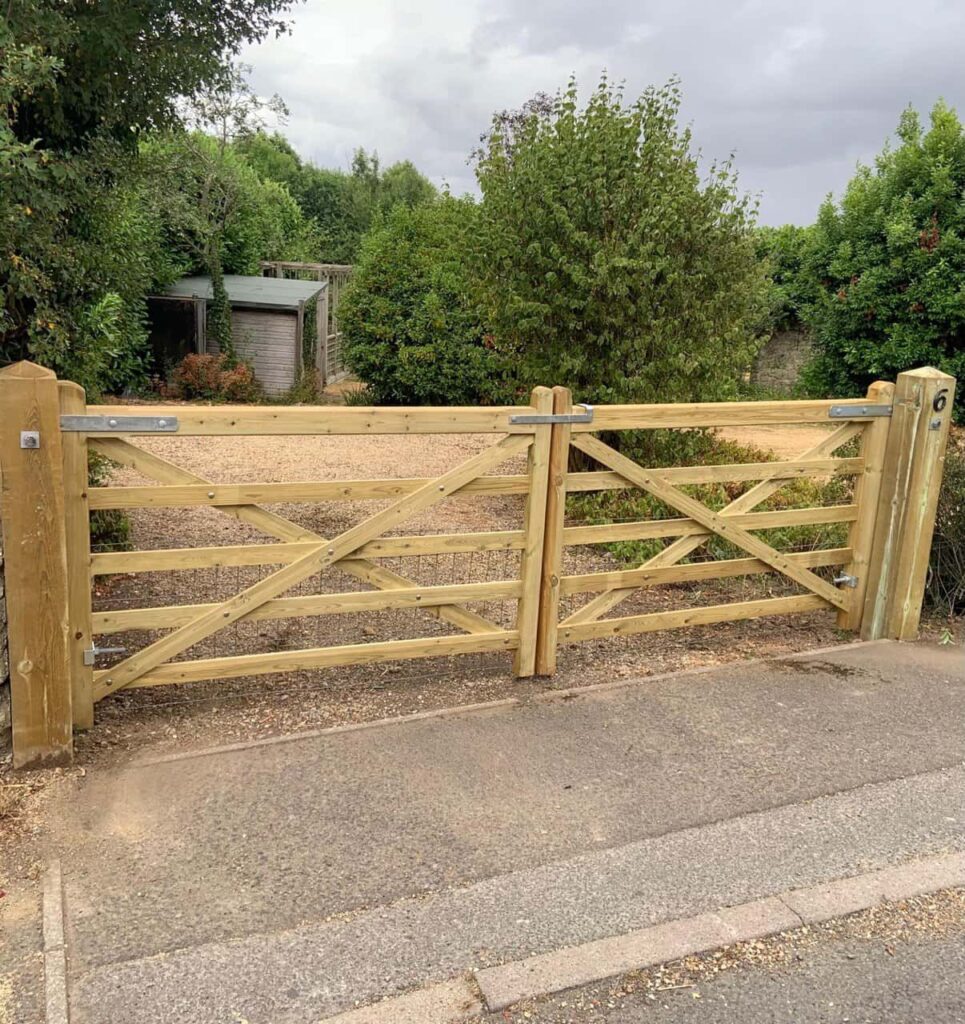
Can Acoustic Fencing Improve Privacy as Well as Reduce Noise?
Acoustic fencing is primarily associated with reducing unwanted external noise, but its construction can provide another important benefit for residential gardens: increased privacy. Unlike fencing with open gaps or lightweight decorative sections, acoustic fencing typically creates a substantial, continuous boundary that can restrict both the passage of sound and direct views into a property.
For homeowners in Ashford, Kent, this can make acoustic fencing particularly useful where a garden feels exposed as well as affected by unwanted noise. Instead of treating privacy and noise as completely separate boundary problems, a carefully planned acoustic fence can potentially improve both.
However, effective results depend on more than simply choosing solid fence panels. Position, height, continuity, construction quality and the relationship between the fence and the source of the noise all influence how well an acoustic boundary performs.
How Acoustic Fencing Can Create a Quieter and More Private Garden
Acoustic fencing is designed differently from a basic garden boundary. Its purpose is to form a substantial barrier that interrupts the direct path between a noise source and the area being protected.
The same characteristics that make a fence useful for noise reduction can also improve visual screening.
Important features include:
- Solid construction with minimal gaps
- Appropriate fence height
- Continuous coverage along the required boundary
- Robust posts and supporting components
- Close attention to gaps beneath and between sections
- Suitable positioning in relation to the noise source
- A layout that provides useful visual screening
- Professional installation to maintain a consistent barrier
When these factors are considered together, acoustic fencing can become both a practical noise-control feature and an effective privacy boundary.
Why Acoustic Fencing Provides Strong Visual Screening
Privacy fencing needs to interrupt sightlines.
A fence containing significant gaps may define the boundary but still allow neighbouring activity or passing movement to remain visible. Acoustic fencing generally relies on a much more continuous construction because openings can also reduce its effectiveness against noise.
This solid form naturally creates greater visual separation.
From inside the garden, the result can be a more enclosed and private environment, particularly where an existing boundary provides limited screening.
The benefit is therefore not simply that the fence is taller or heavier. Its continuous construction is fundamental to both its acoustic and privacy characteristics.
Noise and Privacy Problems Often Occur Together
Gardens affected by unwanted noise can also be the gardens where homeowners feel most exposed.
Where activity beyond the boundary is clearly audible, it may also be visible. This combination can make an otherwise useful garden feel less comfortable for sitting, entertaining or spending time outdoors.
A well-positioned acoustic fence can address both issues at the same boundary.
Reducing direct sightlines can make the garden feel more separated from its surroundings, while the acoustic construction can help limit the amount of sound travelling directly into the space.
This makes acoustic fencing particularly relevant when the objective is broader than simply replacing an old fence.
How Does Acoustic Fencing Reduce Noise?
Sound behaves differently from a physical object, so no garden fence should be expected to remove every external noise completely.
The principle behind acoustic fencing is to create an effective barrier between the sound source and the area where quieter conditions are wanted.
A solid, appropriately constructed fence interrupts the direct path of sound. Its mass and continuity help reduce the amount of noise passing directly through the boundary.
Some sound can still travel over and around the fence, which is why its dimensions and position matter.
The realistic objective is noise reduction rather than creating complete silence.
Gaps Can Reduce Acoustic Performance
A fence intended to reduce noise needs to be substantially continuous.
Gaps between boards, beneath panels or around poorly fitted sections can provide easier paths for sound to travel through the boundary.
This differs from some conventional fencing styles where small openings may have little impact on the fence’s primary purpose.
With acoustic fencing, detailing is particularly important.
The panels, posts and lower edge should work together to form a consistent barrier. Careful installation can therefore make a meaningful difference to how effectively the completed fence performs.
Height Influences Both Noise Reduction and Privacy
Fence height can affect two of the main reasons homeowners consider acoustic fencing.
From a privacy perspective, the boundary needs to interrupt the relevant sightlines. From an acoustic perspective, the fence should interrupt the direct path between the noise source and the part of the garden being protected.
This does not mean that simply constructing the tallest possible fence automatically creates the best solution.
The proportions of the garden, position of the sound source and required screening should all be considered when planning the boundary.
A properly designed fence should respond to the actual site rather than relying on height alone.
Positioning Can Be Just as Important as the Fence Itself
Where acoustic performance is the main objective, the location of the barrier matters.
Sound can travel over a fence, so placing the barrier appropriately in relation to the source and the area requiring protection can influence the result.
This is why acoustic fencing should be planned for the individual property.
The same fence specification can perform differently depending on where it is positioned and how sound reaches the garden.
Professional assessment can help identify the section of boundary where an acoustic barrier is likely to provide the greatest practical benefit.
A Continuous Boundary Can Make a Garden Feel More Secluded
Privacy is not purely about preventing somebody from looking directly into a garden.
The visual character of the boundary can influence how secluded the outdoor space feels.
An inconsistent boundary containing low sections, gaps and open areas can make a garden feel connected to activity outside it. Replacing this with a continuous fence can create a clearer separation between the private garden and its surroundings.
For homeowners who use their garden as an extension of their living space, this sense of enclosure can be an important part of the improvement.
Acoustic Fencing Can Define Seating Areas More Effectively
Not every part of a garden necessarily requires the same level of acoustic protection or privacy.
In some layouts, particular areas receive the greatest benefit from improved screening. A seating or relaxation area positioned near an exposed boundary may feel considerably more private once direct sightlines are interrupted.
The relationship between the fence and the way the garden is used should therefore form part of the planning process.
Understanding where people actually spend time outdoors helps ensure that the fencing is designed around practical requirements rather than simply following the boundary without considering the garden itself.
Construction Quality Matters
Acoustic fencing generally places greater emphasis on substantial, close-fitting construction than a lightweight decorative boundary.
This makes the quality of installation particularly important.
Posts need to provide appropriate support, panels or boards need to form the intended continuous barrier, and the complete fence should be installed consistently along the required boundary.
Weak or poorly fitted sections can affect both appearance and performance.
Professional installation considers the fence as a complete system rather than treating each panel as an independent component.
Acoustic Fencing Can Also Provide a Stronger Visual Boundary
A substantial fence can change the overall appearance of a garden.
Where an existing boundary has become uneven, open or visually inconsistent, acoustic fencing can create a more defined edge to the property.
This can help surrounding landscaping feel more structured.
The fence does not need to dominate the garden to achieve this. Appropriate materials and a carefully considered layout can allow the boundary to perform its practical role while remaining visually compatible with the outdoor space.
It Is Important to Have Realistic Expectations About Noise
Acoustic fencing can reduce unwanted sound, but it should not be presented as a way of eliminating every external noise.
Sound can travel over and around barriers, and different types of noise behave differently.
The effectiveness of the fence will depend on factors including the location of the source, distance, fence dimensions, surrounding environment and construction.
A professional assessment is valuable because it allows realistic expectations to be established before installation.
The goal should be a noticeable improvement to the garden environment rather than an unrealistic expectation of complete silence.
Privacy Improvements Can Be More Immediate
While acoustic performance depends on several environmental factors, the visual screening provided by a solid fence is generally easier to appreciate immediately.
Once appropriate sightlines are interrupted, a previously exposed garden can feel considerably more private.
This dual benefit is one reason acoustic fencing can be worth considering even when noise is not the homeowner’s only concern.
Instead of installing one feature for privacy and attempting to address unwanted sound separately, an appropriate acoustic boundary can contribute to both objectives.
Existing Fencing Should Be Assessed Before Replacement
If a property already has fencing, it is useful to understand why the existing boundary is not meeting the homeowner’s needs.
An old fence may contain gaps, insufficient height or lightweight sections that provide little resistance to sound. It may also have deteriorated to the point where privacy has gradually been lost.
Assessing the existing installation helps determine what needs to change.
This avoids simply replacing one fence with another without addressing the characteristics responsible for the original problem.
The Complete Boundary Needs to Be Considered
Noise and sightlines can find their way around an otherwise effective section of fencing.
Installing a substantial acoustic panel across one part of a boundary while leaving significant openings immediately alongside it may limit the overall improvement.
Planning should therefore consider how the relevant boundary works as a whole.
Corners, changes in level, gates and transitions between different sections can all influence continuity.
Attention to these details helps create a more coherent finished installation and prevents obvious weak points from undermining the purpose of the fence.
Acoustic Fencing Can Complement a Wider Garden Improvement
Fencing is often considered when homeowners are already making changes to their outdoor space.
If a garden is being made more suitable for relaxation, entertaining or regular family use, improving the boundary at the same time can make the overall area feel more complete.
A quieter, more private environment can change how comfortable homeowners feel using areas that were previously exposed.
Considering fencing as part of the overall garden layout also makes it easier to coordinate boundaries with planting, pathways, lawns and seating areas.
When Is Acoustic Fencing Worth Considering?
Acoustic fencing may be particularly relevant when an existing boundary provides insufficient privacy and unwanted external noise is also affecting the enjoyment of the garden.
It can also be considered when an old fence requires replacement and homeowners want the new boundary to perform more than a basic screening function.
The important question is whether acoustic fencing addresses the actual problem affecting the property.
If privacy is the only concern, another solid fencing style may potentially meet the requirement. Where privacy and noise reduction are both priorities, acoustic fencing becomes a particularly relevant option to assess.
Why Professional Installation Is Important
The performance of acoustic fencing depends heavily on how the complete barrier is designed and installed.
Correct positioning, consistent construction, suitable support and careful treatment of potential gaps all contribute to the finished result.
A professional fencing contractor can assess the existing boundary and discuss which areas of the garden require greater screening and where unwanted noise is coming from.
This allows the installation to be planned around the property rather than simply fitting panels without considering their intended purpose.
Acoustic Fencing in Ashford, Kent
For homeowners in Ashford, Kent, acoustic fencing can provide a practical way to improve an exposed garden where unwanted noise and limited privacy are both concerns.
At Fast Fix Fencing Ashford, we can assess the existing boundary, the layout of the garden and the areas where improved screening is required. Where acoustic fencing is appropriate, careful planning and installation can create a substantial, continuous boundary designed to provide both visual privacy and useful noise reduction.
The objective is to select fencing that suits the actual requirements of the property rather than recommending a more specialised solution where it is not necessary.
Conclusion
Yes, acoustic fencing can improve privacy as well as reduce noise. In fact, many of the characteristics required for effective acoustic fencing — particularly solid construction, appropriate height and minimal gaps — also make it well suited to creating greater visual separation.
Its effectiveness at reducing noise depends on the source of the sound, positioning of the fence, dimensions and quality of installation, so complete silence should not be expected. However, a properly planned acoustic boundary can make an exposed garden feel noticeably more secluded while also reducing the impact of unwanted external noise.
If noise and privacy are both affecting how you use your garden in Ashford, Kent, contact Fast Fix Fencing Ashford. We can assess the existing boundary and determine whether acoustic fencing is a suitable option for creating a more private and comfortable outdoor space.
Call us on: 01233 542 270
Click here to find out more about Fast Fix Fencing Ashford
Click here to complete our contact form and see how we can help with your fencing needs.